
Scroll through social media today and you'll find endless advice about food. One person says you should avoid a particular ingredient. Another recommends a completely different diet. Then there are new food trends, complicated meal plans and endless rules about what we should and shouldn't eat.
After seeing all of this, it's easy to wonder: When did healthy food become so complicated?
We Didn't Always Need So Many Rules
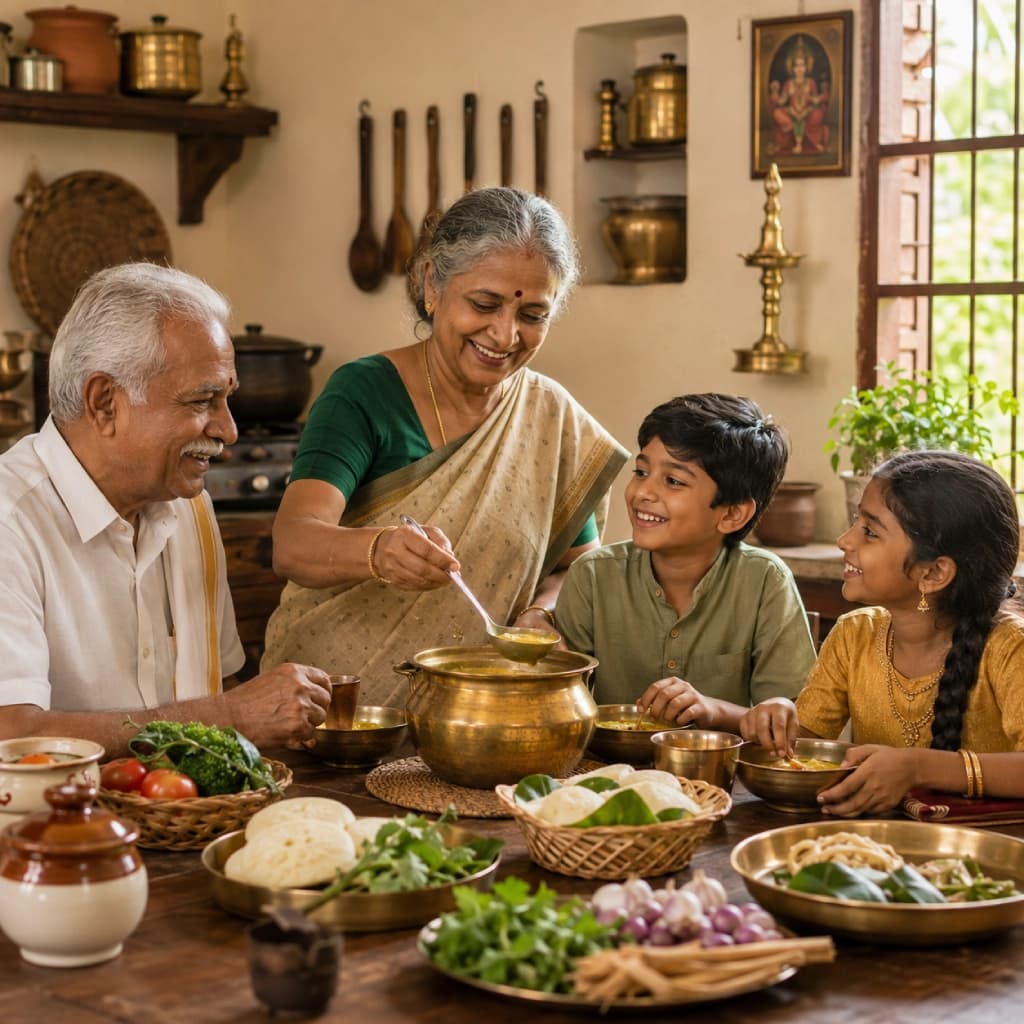
Think about the kitchens we grew up in. Our grandparents didn't have hundreds of food rules to follow. They simply cooked with the ingredients available to them and made food a natural part of everyday family life.
Vegetables, greens, pulses, grains, herbs, spices and other traditional ingredients were commonly included in meals. Food wasn't something that had to be constantly analysed. It was simply part of everyday living.
Today, we have access to more information than ever before. That's certainly useful, but sometimes too much information can make food feel confusing.
Does Healthy Food Have to Be Complicated?
Not really. Healthy eating doesn't necessarily mean expensive ingredients, strict diets or completely changing everything you eat. Many simple and familiar foods can be part of a balanced everyday diet.
Fresh vegetables, fruits, grains, pulses, herbs, greens and other natural ingredients have always had a place in Indian kitchens. Sometimes, going back to simple food choices can be more practical than constantly following the latest food trend.
Traditional Ingredients Still Have a Place
India has a rich food culture built around a variety of natural ingredients. Herbs such as moringa, tulsi and pirandai, along with different greens, grains and spices, have been used in traditional food practices for generations.
These ingredients don't have to remain limited to old-fashioned kitchens. They can easily find a place in modern homes too — prepared in ways that suit today's lifestyle.
The idea isn't to claim that one ingredient can solve every health concern. It's simply about appreciating the variety and goodness that natural ingredients can bring to everyday food.
Healthy Doesn't Have to Mean Boring
Sometimes, people imagine healthy food as plain, tasteless or difficult to prepare. But our traditional food culture tells us otherwise.
Think about the variety we already have — soups, dosas, porridges, grains, vegetables, greens, herbs and spices. Food can be wholesome and enjoyable at the same time.
The goal isn't to remove everything we love. It's about finding a better balance in the way we eat.
You Don't Need to Change Everything at Once
One of the biggest mistakes people make when trying to eat better is attempting to change their entire lifestyle overnight. Instead, start small.
- Add more vegetables to a meal.
- Try a traditional ingredient you've never used before.
- Choose homemade food more often.
- Keep simple food options ready for busy days.
- Replace one regular snack with a more wholesome choice.
These small changes can gradually become part of your everyday routine without making food feel restrictive.
What About Our Busy Modern Life?
There's another reality we can't ignore — we don't live the same way our grandparents did. Today, people have busy jobs, school schedules, travel, household responsibilities and much less time to spend preparing every meal from scratch.
So healthy food also needs to be practical. That's where convenient preparation can make a difference.
At Gramathu Soup, our idea is simple: bring the goodness of traditional and natural ingredients into modern everyday life without making healthy food feel complicated. Our products can be prepared in just 2 minutes, making it easier to enjoy a warm and wholesome option even on a busy day.
Don't Let Every New Trend Decide What You Eat
Food trends come and go. One year, everyone may be talking about one particular ingredient or diet. The next year, something completely different takes its place.
Instead of following every new trend, it can be helpful to focus on simple principles that work for everyday life: Variety. Balance. Moderation. Consistency.
And if you have specific dietary or health needs, getting advice from a qualified professional is always better than following random information online.
Maybe Healthy Eating Can Be Simple Again
We don't need to make food complicated to make better choices. Sometimes, it can be as simple as choosing natural ingredients, enjoying homemade food, including variety in our meals and finding convenient ways to maintain those habits in our busy lives.
Our grandparents may not have had access to all the information we have today, but they understood something important: Good food doesn't need to be complicated to be part of a good life.
Conclusion
Healthy eating isn't about finding one perfect food or following one perfect diet. It's about creating everyday food habits that are simple, practical and enjoyable.
We can embrace modern convenience without forgetting the natural ingredients and traditional food culture we grew up with.
At Gramathu Soup, we believe that's where tradition and modern life meet — bringing the goodness of our roots to today's busy families, one simple choice at a time. Healthy food doesn't have to be complicated. Sometimes, the simplest choices are the ones worth keeping.
